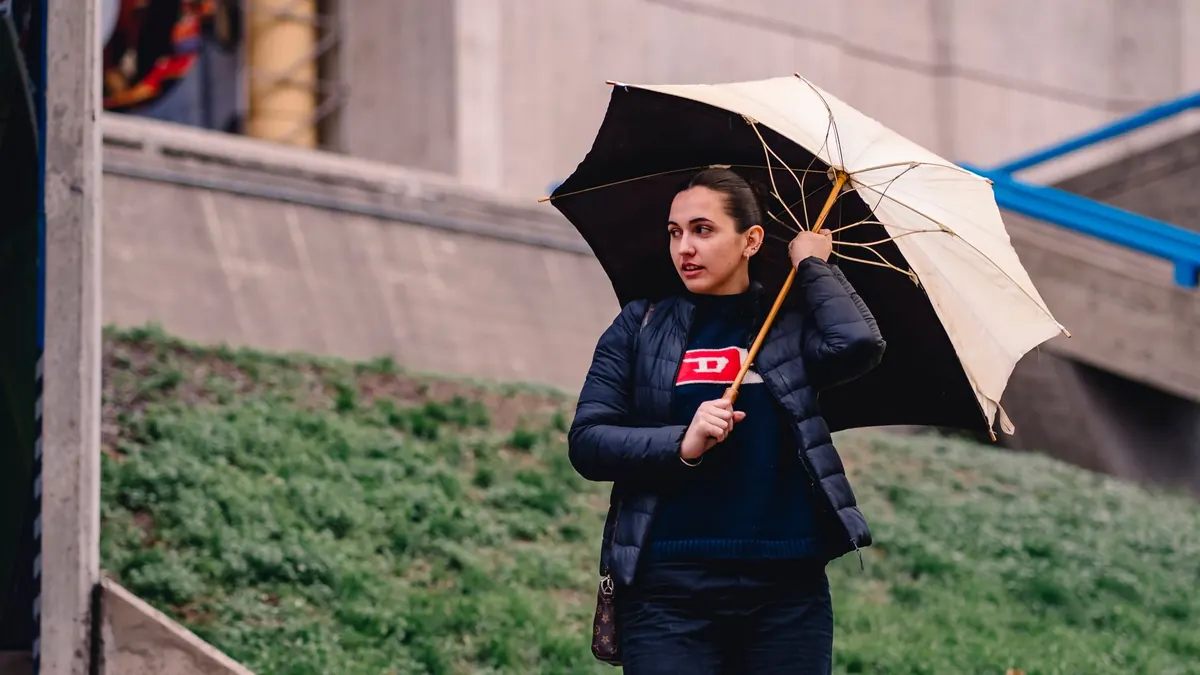

How to Get Kids to Wear Rain Gear Without a Fight: 8 Practical Tips
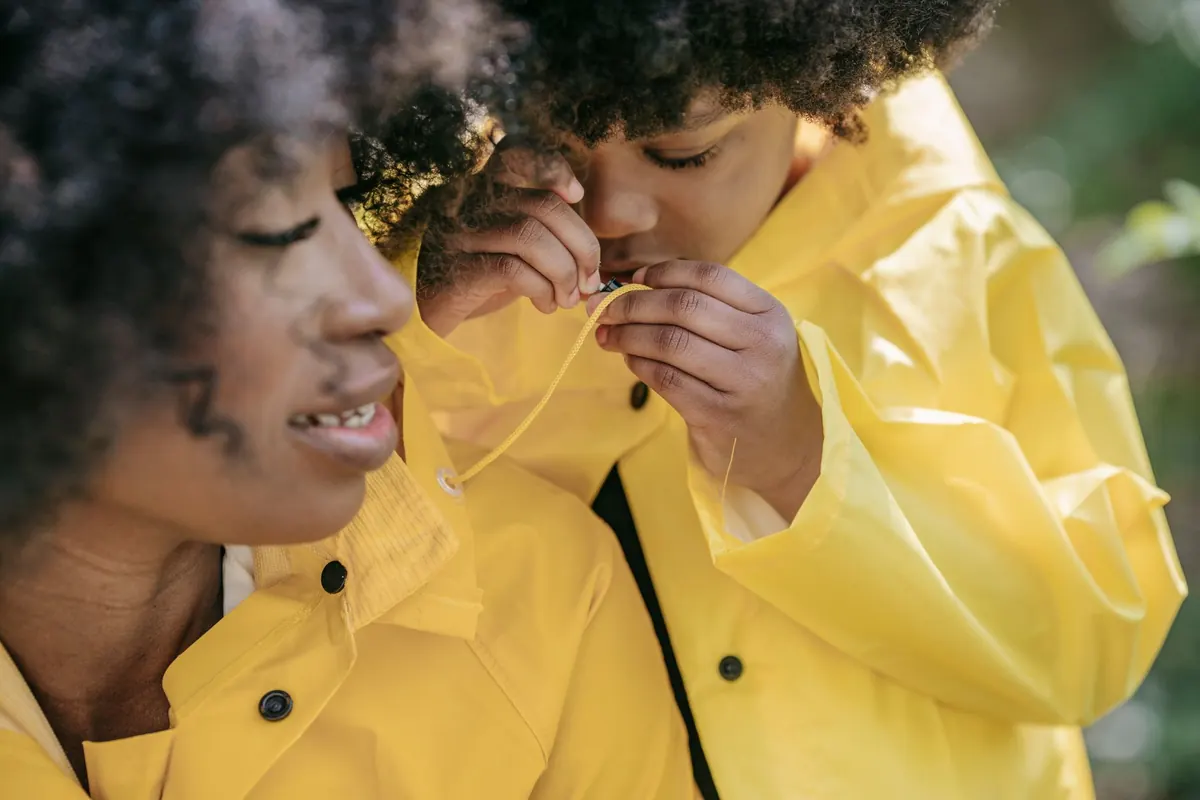
Getting a four-year-old into a raincoat can feel like wrestling a small, opinionated octopus. The sleeves are wrong, the hood is too loud, the boots are on the wrong feet, and now everyone is late. Here is the useful part: most rain gear battles are not really about the rain. They are about comfort, control and surprise. Fix those three things and the coat usually goes on without a hostage negotiation.
Deal With the Real Reason They Refuse
When a child says "I don't like it," they usually mean something specific. Ask, or watch, and you'll find the culprit.
- Stiff, crackly fabric. Some cheap raincoats hold a shape like a paper bag. A softer, more flexible shell gets worn without complaint.
- Cuffs that dig in. Tight elastic around the wrist leaves marks and feels like a restraint. Look for soft, adjustable cuffs.
- A hood that blocks their view. If it flops forward over the eyes, they will fight it every single time. Adjustable hoods with a small brim sit better.
- Boots that are too big or too slippery. Oversized boots make walking hard work, and bald soles make wet pavement scary.
- Wet hands and wet socks. If their last memory of rain gear is damp mittens and soggy socks, they will say no before you finish the sentence.
One safety point worth knowing: skip styles with long drawstrings or cords at the neck, especially for younger children. Loose cords can catch on playground equipment.
Start the Night Before, Not at the Door
Morning arguments come from morning surprises. Ten minutes before school is not the time to discover that one boot is missing or the coat is still damp from yesterday. Check the forecast the night before, then put the gear where it belongs: coat on the hook, boots on the mat, gloves in a small basket by the door. If you keep two waterproof layers per child, there is always a dry one ready. That single habit prevents more meltdowns than any amount of coaxing.
Make the storage fit the child, too. A hook at adult shoulder height means a five-year-old is reaching overhead with a heavy coat. A low hook or a crate within easy reach lets them grab it themselves, which matters more than you'd think.
Give Them a Real Choice, Just Not an Unlimited One
Children resist orders. They usually accept decisions. So build the decision into the routine, and make sure both options are ones you're happy with.
- "The yellow coat or the blue one?"
- "Boots first, or coat first?"
- "Do you want to carry the umbrella, or should I?"
- "Which puddle on the way — the one by the gate or the one by the tree?"
Notice that none of these questions is "Do you want to wear rain gear?" That one has only one acceptable answer, and kids can smell it. With a bit of practice, the puddle question does more work than a dozen reminders. Walking to a specific puddle is a mission. Walking to school in a coat is a chore.
Buy for Comfort, Not for Growing Room
A raincoat that hangs past the knees trips them on stairs, and sleeves that swallow both hands make it impossible to hold a railing or open a snack. A little room for a jumper is good. A lot of room is a problem.
What to look for in a coat
- Soft, flexible outer fabric rather than stiff plastic
- Elastic or adjustable cuffs instead of tight fixed bands
- A hood that adjusts at the back, so it stays up and out of the eyes
- A length that lands around mid-thigh or just below
What to look for in boots
Boots should be easy to pull on and easy for a child to manage alone, so look for handles or a wide opening. There should be roughly a thumb's width of space at the toe when they're wearing their usual socks. Check the sole for grip — smooth, worn-down soles on wet pavement are a genuine hazard. If your child wears boots for long walks, cotton socks trap moisture; wool or a wool blend keeps feet warmer and drier.
Make Getting Dressed Fast and Predictable
Speed reduces resistance. A fixed order that never changes means your child can eventually run it alone.
- Coat on and zipped to the chin.
- Hood up, adjusted at the back.
- Gloves on, then tucked under the cuffs so they don't fall off.
- Boots last, sitting down, so they don't tip over while balancing.
Some families do boots first, because wet boots are the hardest thing to put on a squirming child. Either order works. The point is that it is always the same order, every time, so the routine becomes a habit rather than a request. Add a small ritual — a countdown, a silly song, a "ready check" in the mirror — and the whole thing takes ten seconds instead of ten minutes.
Practise in Low-Stakes Moments
Rain gear gets easier the more it's worn, and the easiest place to practise is a puddle walk on a Saturday when nobody is late. Go out in light rain with no destination. Let them jump, stomp and get slightly wet. That's how they learn that a raincoat is the thing that lets them stay outside longer, not the thing that ends the fun.
Short trips also surface problems while you still have time to fix them. If the hood keeps sliding, tighten it. If a boot rubs, sort it out before a school morning. And on a light drizzle with a two-minute walk, letting them get a little damp is a cheap lesson.
Know When to Stop Negotiating
Not every rainy morning is worth a standoff. On a short walk in light drizzle, the fastest exit is sometimes to shrug and let them go without the coat, with a spare in your bag. Turning rain gear into a power struggle teaches a child that the coat is a battleground, and that lesson outlasts the wet walk.
Save your firm insistence for real weather: heavy rain, cold wind, long trips. On those days, keep your language plain and short. "It's pouring. Coat on." Then move. Children follow calm certainty far faster than negotiation.
The Send-Off That Actually Works
Put it all together and the routine looks like this: gear laid out the night before, one small choice at the door, the same order every time, and kit that genuinely fits. Say the sequence out loud until it belongs to your child — "check the weather, coat, hood, gloves, boots" — then stand back and let them run it. Expect a few grumpy mornings. Consistency does the work over weeks, not days. And keep the coats, boots and spare gloves dry and within reach, because the quickest way to wreck a good routine is a soggy pair of boots waiting at the door.
Photo: Barbara Olsen / Pexels