Spring Festival Rain Plan: What to Pack for Outdoor Events
Spring festivals come with a built-in gamble. Organizers book the field in January, the food trucks and the tulips show up on schedule, and the sky does whatever it likes. A passing shower doesn't have to send you home early — being wet and cold does. The difference is usually a small bag of gear you're willing to carry for six hours straight. What follows is a compact rain kit for outdoor events, built around the four things that earn their place: a poncho, an umbrella, footwear that keeps water out, and dry bags that protect everything else.
Start With an Honest Read of the Forecast
Check the forecast the night before and again the morning of, then plan for one notch worse than it suggests. Spring rain rarely arrives alone; it usually brings wind and a sharp temperature drop, so the goal isn't just staying dry, it's staying warm while damp. That changes what you pack.
Also read the venue. An open field with no trees means wind-driven rain and no shelter, so you'll want the full kit. A downtown street festival with awnings, storefronts and a parking garage nearby means you can travel lighter and duck out. If there's overnight camping involved, add a second, drier set of clothes and keep it in the car or tent, not on your back.
Ponchos: The Backbone of the Kit
For festivals, a poncho beats a rain jacket almost every time. It covers your arms and thighs, it fits over a backpack, it doubles as a seat cover on a wet bench, and you can shake it out and stuff it away in ten seconds. A jacket is better for hiking and cycling. A poncho is better for standing in a field eating something fried.
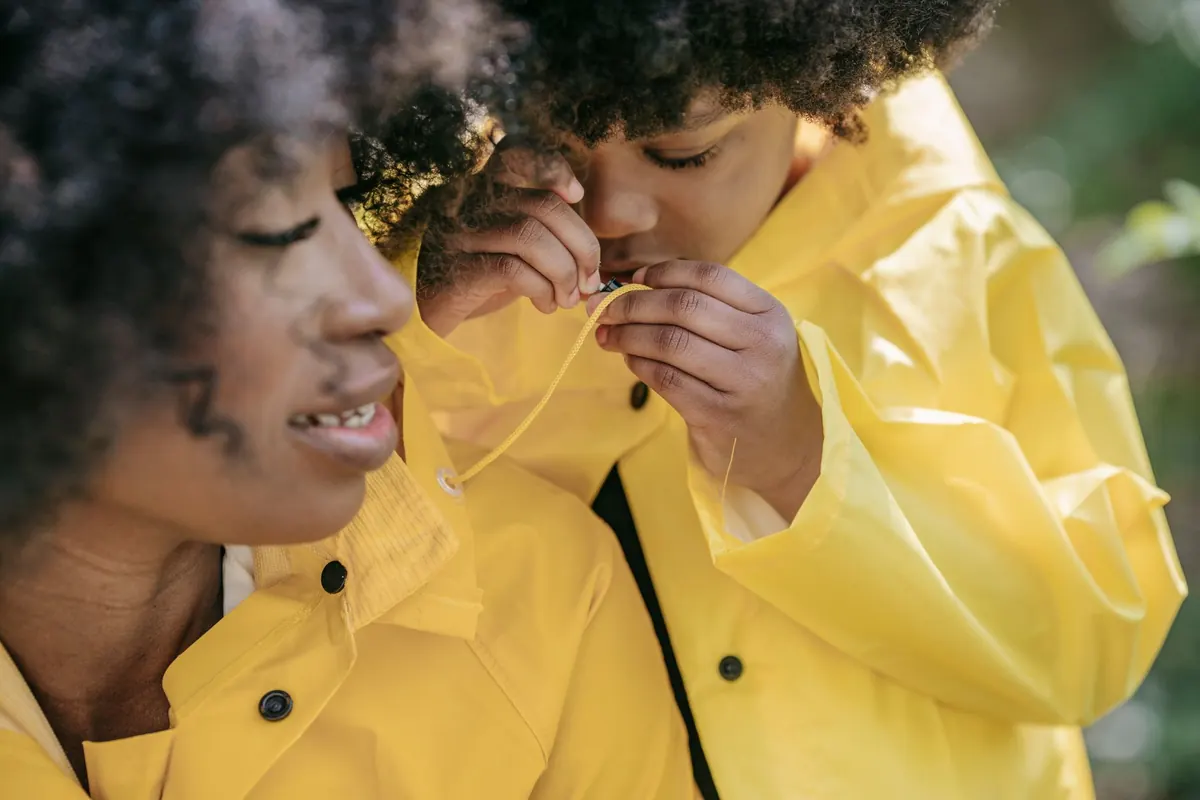
Look for knee-length coverage, taped seams, and snap closures along the sides — unsnapped ponchos turn into sails in a breeze. A hood with a drawcord matters more than you'd think; without one, water runs straight down your neck. Thin disposable ponchos are fine as emergency backups but shred in wind, so keep one reusable ripstop version as your main and one cheap spare tucked in the bottom of the bag. Two ponchos take up less room than a water bottle.
If you're bringing kids, give them a poncho sized for them. An adult poncho dragging on the ground is a trip hazard on wet grass.
Umbrellas That Don't Ruin the Show
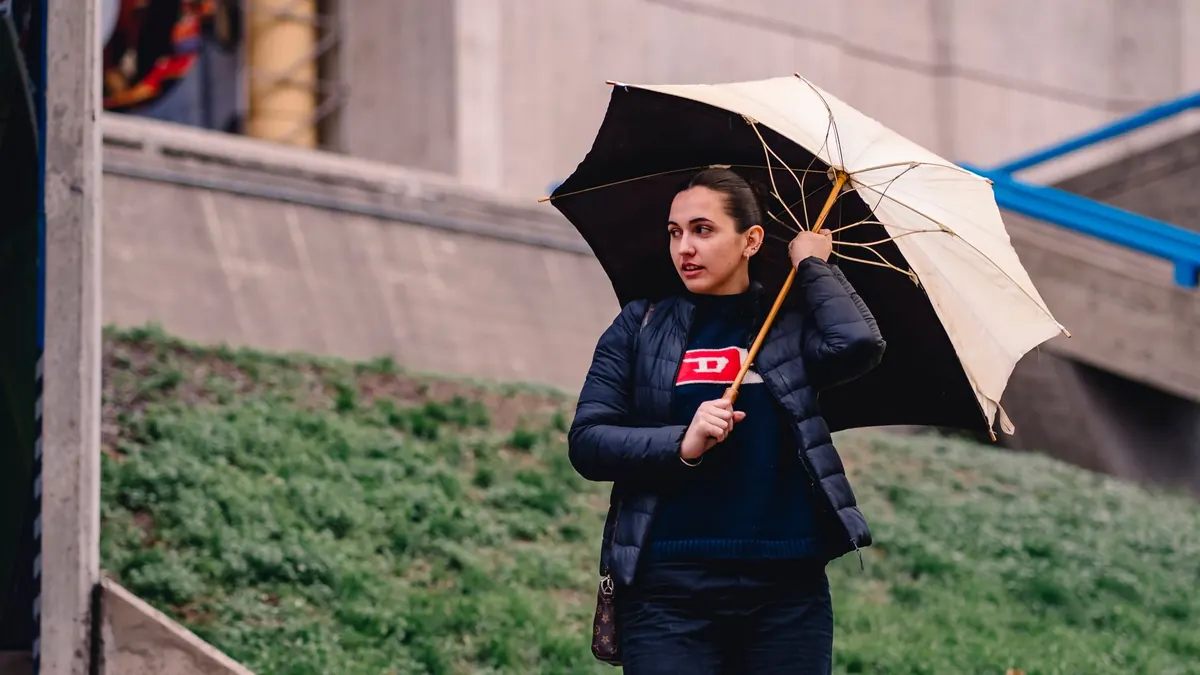
Bring a compact umbrella, but be realistic about its job. In a packed crowd at a main stage, you won't be opening it — and at many events open umbrellas are restricted near the front for exactly that reason. Its real work is the walk from the car to the gate, the queue for the toilets, and the wander between tents.
A few details worth paying for: a vented canopy, which lets gusts pass through instead of flipping the whole thing inside out; fiberglass or flexible ribs rather than brittle metal ones; and a canopy wide enough to actually cover your shoulders. A tiny umbrella that covers only your head isn't much use in angled rain.
In a crowd, keep it low, tilt it back rather than forward, and be aware of the people behind you. If you're short and surrounded by tall people, a clear dome umbrella lets you see and be seen.
Footwear: Dry Feet Decide the Day
Wet feet make everything worse — colder, heavier, more blister-prone, and much harder to ignore. The shoes you choose will affect your day more than anything else in this kit.
Boots and shoes
Waterproof boots that come above the ankle handle mud, long wet grass and puddles without hesitation. Break them in beforehand; a brand-new pair on a festival day is a recipe for blisters. Waterproof trail shoes are lighter and fine for paved sites. Mesh running shoes are the worst option — wet grass soaks straight through in minutes and they stay wet for hours.
Socks
Wool or synthetic socks, never cotton. Cotton holds water against your skin, which is how you end up with cold, raw feet by mid-afternoon. Pack one spare pair in a dry bag; changing socks halfway through is a small luxury that feels enormous.
If you insist on sandals
Closed-toe sandals handle warm-weather rain better than most people expect, but your feet will be wet. Plan for it: dry socks and dry shoes waiting in the car, and a small towel to dry off before you change.
Dry Bags and the Small Stuff That Saves the Day
This is the part people skip, and the part they regret. A five-litre dry bag holds your phone, wallet, keys and a small power bank, and it floats if you drop it. A twenty-litre roll-top doubles as a pack liner and holds a spare layer and towel. Resealable plastic bags work in a pinch for a phone, but they don't survive being sat on in a puddle.
What goes in the kit:
- A reusable poncho, plus one spare
- Compact umbrella
- Waterproof boots or trail shoes, already broken in
- One spare pair of wool or synthetic socks
- 5L dry bag for phone, wallet and keys
- 20L dry bag or pack liner for a spare layer and towel
- Small microfibre towel
- A plastic bag for the wet poncho, so it doesn't soak everything else
- Light water-resistant layer for when the rain stops and the wind picks up
Test the roll-top closure at home. Fold the top down three times, clip it, and see whether it holds air when you squeeze. If it doesn't, it won't hold water out either.
Packing It So You'll Actually Carry It
The best kit is the one that stays with you, so keep the whole thing under about two kilos. A crossbody sling or small backpack worn under your poncho keeps both hands free and keeps the bag dry. If you prefer a backpack over the poncho, use a pack cover or line the pack with the 20L dry bag, because rain runs down your back and straight into the top of an uncovered bag.
Build two kits: a carry kit with the poncho, umbrella, dry bags and socks, and a car kit with wellies, a towel, a full change of clothes and a blanket. The car kit costs you nothing during the day and rescues you at the end of it.
The Five-Minute Check Before You Leave
Confirm what the venue allows — some events restrict umbrellas, glass, or outside food, and it's easier to know now than at the gate. Shake out your poncho, check the seams and the hood drawcord, and make sure the dry bags actually seal. Then put the kit by the front door so it goes in the car with the sunscreen and the folding chair.
One last thing: if you'll be standing in cold rain for hours, treat warmth as seriously as dryness. Know the signs of getting too cold — shivering that won't stop, numb hands, muddled thinking — and have a dry layer, a warm drink and a way to leave. If you have a health condition that makes cold or wet weather risky, check with a medical professional before you plan a full day outdoors.
Spring rain is usually a twenty-minute inconvenience, not a cancelled day. Pack for it properly and you'll barely notice it passing.
Photo: geralt / Pixabay